
The Human Factor & Set Psychology: The B2B Video Production Guide
The greatest challenges of corporate filmmaking are rarely technical—they are human. How do you structure a high-end shoot without disrupting valuable business hours, and how do you help employees overcome camera shyness? The key to production success lies in precise logistical planning and a collaborative approach that preserves the dignity of everyone in front of the lens.
When a company decides to invest in high-production-value video, the decision is usually driven by strategic goals and budget approvals. Yet the moment the project greenlights, marketing managers and executives are immediately confronted with operational realities.
Two unstated concerns routinely surface during early planning:
- Will filming paralyze office productivity and consume too much executive time?
- How do we ensure our team and leadership look natural, confident, and authoritative on camera rather than stiff?
Project success isn’t measured solely by the final render—it depends heavily on how the team experiences the production pipeline itself.
1. Time as a Resource: Production Without Productivity Paralysis
A common operational concern is that a production crew will occupy corporate spaces for days, create creative clutter, and derail key personnel from their primary duties.
In a premium B2B framework, this issue is solved weeks before cameras ever deploy:
- The Precision Call Sheet: Large-scale commercial set hierarchies and structured call sheets exist for operational efficiency. Unplanned decision-making on set generates friction and unexpected overhead. By establishing strict call times and pre-light schedules, executive participation is capped at precise 30-to-45-minute windows, allowing leaders to return to their core responsibilities immediately after their segment.
- The Invisible Recce (Location Scouting): Technical teams conduct site visits prior to principal photography to map camera positions, evaluate acoustics, and plan lighting setups. On the day of the shoot, gear staging occurs silently, allowing operations to proceed with minimal disruption to the workspace.
The objective is straightforward: technical and logistical execution must adapt to the client’s business rhythm—never the other way around.
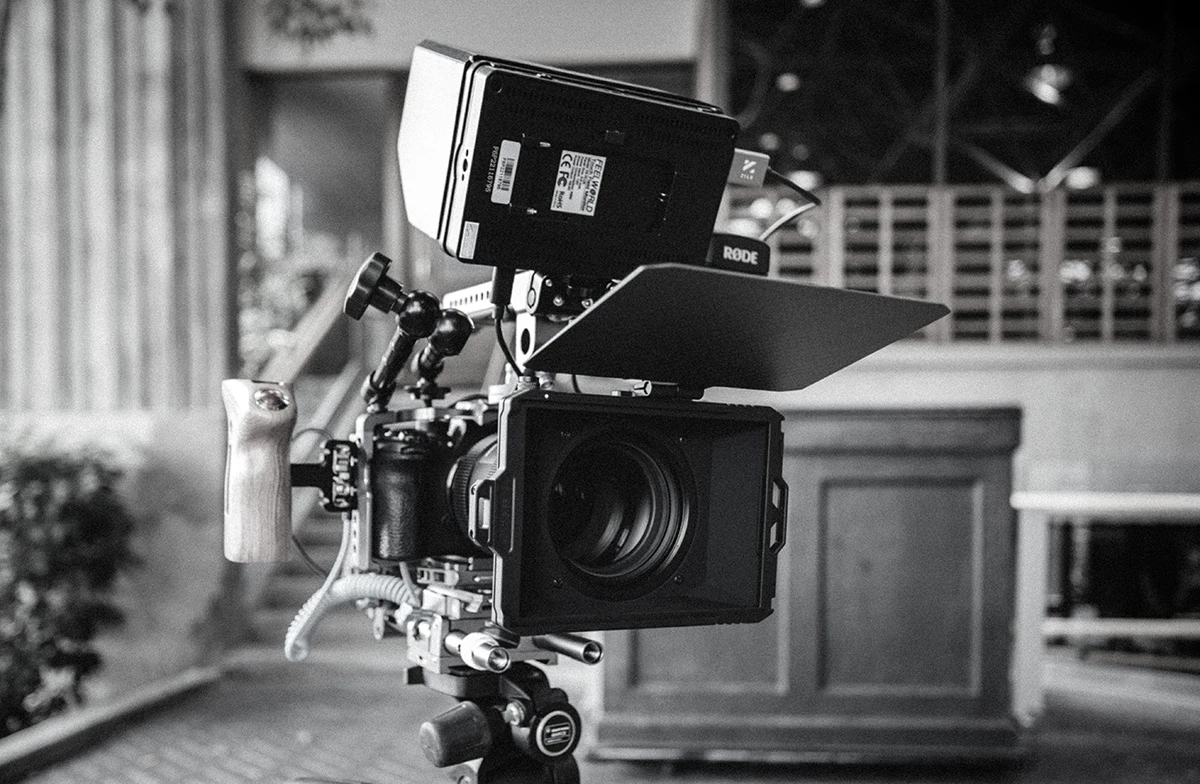
2. Set Psychology: Cameras Track Technicals, Audiences Feel the Atmosphere
This is the true core of corporate filmmaking. Most executives, engineers, developers, and sales specialists are not professional actors. Standing in front of a lens under studio lighting can be an uncomfortable, high-stress situation for most non-media professionals.
A common industry pitfall is focusing purely on technical gear while treating subjects as static props. This cold approach yields rigid, robotic performances featuring memorized corporate buzzwords.
Every set maintains a specific energetic flow. Interrupting this rhythm unnecessarily degrades the quality of the output. Consequently, the primary responsibility of an on-location production team is to establish an environment of clear support.
- Empathy Over Instructions: Recognizing that on-camera anxiety is natural changes the dynamic entirely. The initial 30 minutes on set are dedicated to building rapport, reviewing goals over coffee, and relieving pressure rather than turning on cameras immediately.
- True Partnership: When a production crew operates strictly as a transactional vendor, energy shifts negatively. When the crew acts as a strategic partner protecting the subject’s professional dignity, anxiety dissipates, allowing authentic expertise to take center stage.
- Guided Conversation Over Scripted Acting: Authentic B2B content relies on domain authority rather than theatrical performance. The strongest material comes from relaxed, guided conversations with a human behind the camera, allowing subjects to naturally lose sight of the lens. This relies heavily on the grounding energy brought by the Producer, Director, and Director of Photography (DoP).
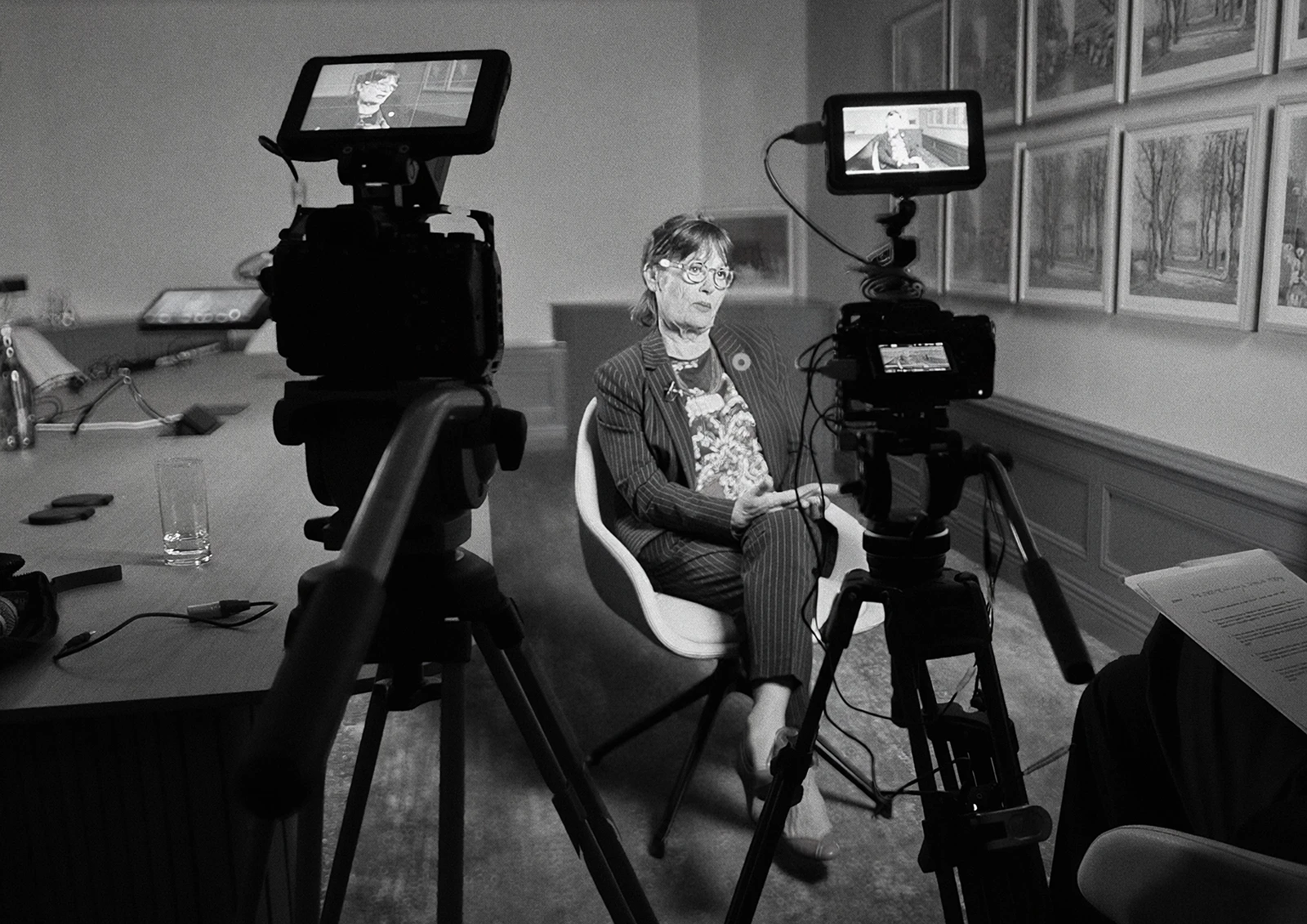
3. Long-Term Value of an Authentic Approach
Approaching a shoot with empathy and operational precision yields distinct advantages:
- On-Screen Authenticity: Audiences sub-consciously pick up on ease and confidence. Genuine human authority builds brand trust faster than scripted slogans.
- Employees as Brand Ambassadors: When team members feel protected and valued during production, filming transforms from a stressful event into a positive team activity. Employees proudly share the final assets across their professional networks (such as LinkedIn), driving organic reach naturally.
Quick Takeaways & FAQ
What happens if a key executive freezes on camera?
This is a normal part of the process. Premium teams never force a scene under pressure. Take a brief reset, adjust the line of questioning, change the angle, and steer the focus back to core domain knowledge through conversation. Furthermore, post-production serves as a vital creative filter—editing is not merely assembling cuts, but refining pacing, bridging field variables, and polishing the final message.
Do employees need to memorize scripts?
No. Memorizing text is the fastest route to a stiff performance. Subjects simply need to know their domain. Using an interview format, leaders articulate concepts naturally, exactly as they would explain them to a client in a high-stakes meeting.
How early should pre-production planning begin?
The core quality of a project is established during pre-production. This phase minimizes stress, controls unforeseen costs, and prevents timeline creep. Ideally, logistical planning and treatment development should begin 2 to 3 weeks prior to principal photography, ensuring call schedules, location access, and messaging are aligned well in advance.